 AltOps
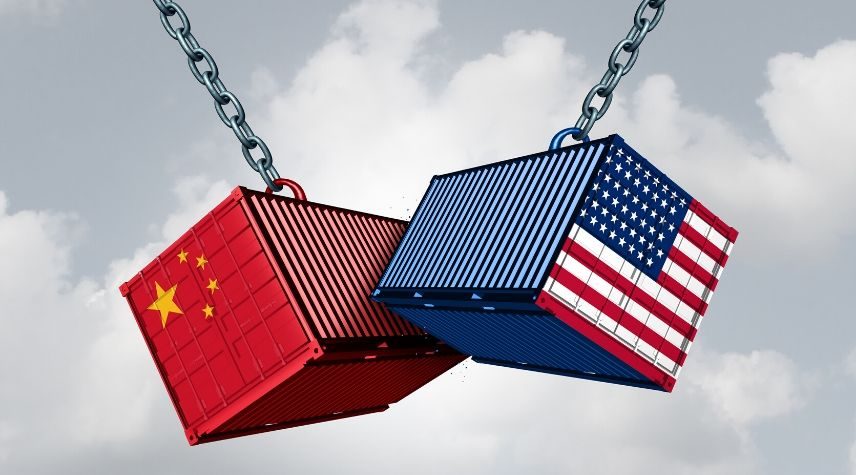
Two weeks ago the story was new tariffs. This time the tariff news is mostly good, and the costs that moved are freight and fuel. Here is each change, what it means for a Q4 quote, and where the information comes from.
First, the words
A tariff is a tax charged when goods cross the border into the US. "Landed cost" is what an item really costs you after the tariff, freight and fees are added. A trade truce is an agreement to hold tariffs where they are for a set period. "MFN rate" (most favoured nation) is the normal tariff a country pays when no penalty tariffs apply.
Change one: a list of Chinese goods for tariff cuts, with most promo left off
On September 28 the US and China each named about $30 billion of the other's goods for lower tariffs, $60 billion in total. It came out of a new US–China Board of Trade.
What is on the US list matters more than the headline. ASI read the list for promo: playing cards, plates, flashlights, sporting equipment and "certain vacuum-insulated containers" are on it. "Stationery, apparel and most drinkware were absent." Gifts & Decorative Accessories adds plastic plates and cups, garden umbrellas, bed and table linens, some blankets, and "vacuum flasks of specified capacities". Toys are the biggest single piece, about $9.8 billion of the $30 billion.
The part to remember: "The list does not itself reduce any tariffs." No new rate and no start date have been announced, and PPAI says talks continue at summits in November and December. Chinese officials say more than 90% of the listed goods could go back to normal MFN rates.
Why it matters: ASI's research says 85% of suppliers that import bring promo items in from China. Some hard goods may get cheaper in 2027. Tees, fleece, notebooks and most bottles will not, at least not from this list. Do not tell a client a price is coming down until a rate is published.
Change two: the truce now runs to January 10, 2027
On September 24 the US and China extended their trade truce from November 10 to January 10, 2027, per Supply Chain Dive. The fentanyl-related tariff on Chinese imports stays at 10%. China keeps its rare-earth export controls paused.
The same deal paused proposed US fees of up to $1.5 million on each China-built ship entering a US port, also to January 10. A study estimated those fees would raise shipping costs 8% to 14%.
Why it matters: there is no tariff jump on China goods this quarter. The next cliff lands in the middle of Q1 2027 quoting. Any China-sourced quote that runs past January 10 should say so.
Change three: container rates are near the year's high
On October 1 Drewry's World Container Index put a 40-foot container from Shanghai to Los Angeles at $7,835, flat for the week and up from $7,712 three weeks earlier. Shanghai to New York rose 1% to $10,428. Drewry expects transpacific rates to dip next week, because factories across China close for the Golden Week holiday and ship less.
The ports are busy. The National Retail Federation expects September to be the busiest import month of 2026, at 2.31 million containers (counted in 20-foot units), up 9.6% on last year.
Why it matters: any container still coming from Asia for Q4 pays close to peak freight, and imported blanks and hard goods landing in October can take longer to reach the warehouse.
Change four: diesel set a record
The average US price of diesel hit $6.53 a gallon on September 21, the highest in 32 years of government records and 89% above the January low of $3.46, per USAFacts. It eased to $6.38 a week later. The Energy Information Administration links the rise in crude oil partly to the US blockade in the Strait of Hormuz.
Why it matters: truck, less-than-truckload and parcel fuel surcharges follow diesel. Freight-in and drop-ship costs on every Q4 quote should be checked again, not copied from August.
Change five: the US ban on some Canadian goods took effect
On September 29 a US ban on about US$967 million of Canadian goods took effect, reports The Globe and Mail. 87% of it is alcohol: beer, wine and spirits such as whisky, vodka and gin. Dairy by-products, some molasses and certain Can-Am motorcycles are also banned.
Why it matters: a corporate gift set built around Canadian wine or whisky cannot be imported now. Swap the bottle before the client finds out at the border.
Change six: prices are still rising upstream
The September factory survey from the Institute for Supply Management shows its prices index up 6.8 points to 77.9, and 34% of negative comments mentioned tariffs. The report quotes one manufacturer: "New tariffs against Canada have drastically increased costs." Inside promo, PPAI's survey has 60% of the 100 largest suppliers reporting higher landed costs and 51% reporting lower gross margins. The Federal Reserve, which raised rates on September 16, meets next on October 27 and 28.
Tariff refunds: the October 6 round needs a lawsuit
The third round of refunds for the tariffs the Supreme Court struck down opens October 6 and covers about $11.4 billion. It is narrower than it first looked. According to ALS International, only importers that filed suit at the Court of International Trade, got a court order to reopen their entries, and gave Customs their importer number by July 30 can claim. About $122 billion has already been certified for refund.
If you did not import directly, the question is whether your suppliers got refunds, and whether any of it reaches your price. An Atlanta Fed survey reported by CFO Dive found 75% of companies plan to keep refunds as cash. Ask.
Holiday shipping dates
USPS recommends sending by December 17 for Ground Advantage and First-Class Mail, December 18 for Priority Mail and December 19 for Priority Mail Express, within the lower 48. FedEx's last days are December 15 for Ground Economy, December 17 for 5-day Ground, December 21 for Express Saver, December 22 for 2Day and December 23 for Overnight, per Value Added Resource. UPS had not published its dates as of September 24.
The checklist
1. Sort open Q4 quotes by country of origin. Anything from China gets "valid to January 10, 2027" and no promise of a tariff cut. 2. Re-check freight-in and fuel on every quote written before mid-September. 3. Swap Canadian wine and spirits out of gift sets. 4. Set one holiday order cutoff, working back from December 15 and allowing for decoration and supplier ship dates. Send it to every active client this week. 5. Ask suppliers in writing whether tariff refunds reach your price, and whether any small-order fees or surcharges start this quarter. 6. Watch three dates: October 27 and 28 (the Fed), January 10 (the China truce and ship fees), and any USTR notice that puts rates on the relief list.